LoginSignupBack
Benefits of Communication/Relationships
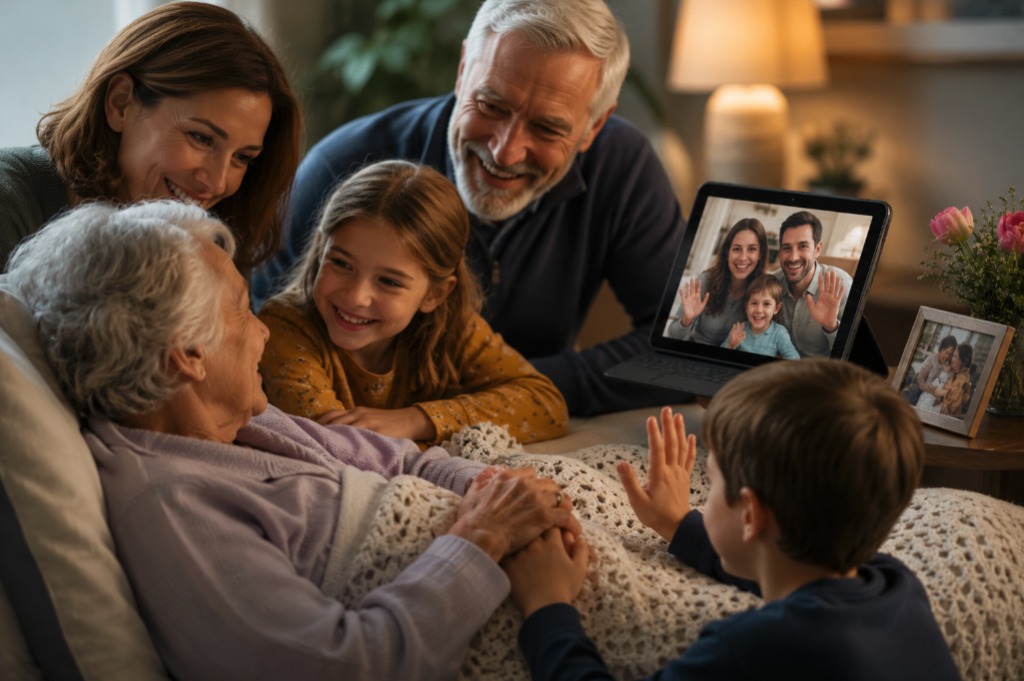
During hospice care, relationships can become especially meaningful. While medical care focuses on comfort and quality of life, family members and friends can provide something equally important: companionship, familiarity, love, and a connection to the life a person has lived. Connection Can Be a Source of Comfort Simply knowing that someone is there can be reassuring. Communication doesn't always require a long conversation. Sitting quietly together, holding a hand, sharing a photograph, listening to music, or watching a favorite video can all be forms of connection. For someone who is tired or has limited energy, these quieter interactions may be particularly valuable. The important thing isn't how much is said. It's the feeling of being remembered and cared for. Relationships Help Us Feel That We Belong Our relationships are an important part of who we are. We are parents, grandparents, spouses, siblings, friends, neighbors, coworkers, and members of communities. Those connections don't disappear when someone enters hospice care. Maintaining relationships can help preserve a sense of belonging and continuity. Hearing about a grandchild's school day, seeing a picture of the family dog, or receiving an update from an old friend can provide a connection to familiar people and everyday life. Even small interactions can carry a great deal of meaning. Sharing Memories Can Bring People Together Communication also gives families an opportunity to remember. Old photographs can inspire stories that haven't been told in years. A family video might bring back memories of a vacation, birthday, wedding, or holiday. A favorite song might remind everyone of a particular person or place. These moments can benefit the entire family. They provide opportunities to laugh, reminisce, tell stories, and sometimes learn things about one another that were never shared before. They can also help younger generations connect with family history and preserve memories that might otherwise be lost. Staying Connected When You Can't Be There Families don't always live close to one another. Work, school, travel, illness, and other responsibilities can make it impossible for everyone to visit as often as they would like. That doesn't mean they can't remain involved. A short video from a grandchild, photographs from home, or a message from a friend across the country can bring a familiar face or voice into the room. Technology can never completely replace being together in person, but it can make distance feel a little smaller. Communication Can Help Families Coordinate Care and Visits Staying connected isn't only about conversation. Communication can also help families work together. When several people are involved in supporting a loved one, coordinating visits, important dates, family activities, and other plans can become complicated. Having a shared place where everyone can stay informed can reduce confusion and make it easier for people to participate. It can also help family members focus more of their energy on what matters most: spending meaningful time together. Creating Connection with Zenith Star Companion Zenith Star Companion was created to help loved ones remain connected during hospice care, whether they are nearby or many miles away. Families can use a shared feed to post messages, photographs, and videos so that everyone can participate in the conversation. Loved ones can share videos to watch together or revisit familiar memories, while a shared calendar can help family members coordinate visits and important moments. Someone who can't visit that day can still send a message. A grandchild can share a video. A relative who lives far away can post a favorite photograph. Family members can continue contributing to a shared space centered around someone they love. Over time, those individual messages, photographs, videos, and memories can become something more: a record of connection between family and friends. Sometimes the Smallest Messages Mean the Most We often imagine meaningful communication as a long, important conversation. But it doesn't have to be. “I love you.” “Look what bloomed in the garden today.” “Remember this?” “We're thinking about you.” “Here's what the kids did this afternoon.” Simple moments like these can remind someone that the people and world they care about are still close. At Zenith Star Companion, we believe relationships are built from these moments. Whether you're sitting beside someone or connecting from hundreds of miles away, reaching out can be a meaningful way to say something everyone deserves to hear: You are loved. You are remembered. And you are still part of our lives. (Posted 8/6/2026 by _john_70e918e6_) |
Benefits of Nature on Health and Well-Being
For people receiving hospice care, these small connections with the natural world can be especially meaningful. Nature doesn't have to mean hiking through the woods or spending an afternoon at the beach. Even when someone's mobility is limited, nature can still become part of the day—and part of the way loved ones provide comfort and companionship. Nature Can Help Create a Sense of Calm Natural surroundings have long been associated with relaxation and reduced stress. A quiet outdoor space can offer a welcome change from the sights and sounds of a medical environment. Simply sitting near a window, listening to rain, feeling a breeze, or watching birds at a feeder may provide moments of calm. When going outdoors isn't practical, bringing nature inside can help. Fresh flowers, houseplants, photographs of favorite landscapes, recordings of birds or ocean waves, and videos of peaceful natural places can all create a more soothing environment. Nature Engages the Senses Some of our strongest connections with the natural world come through our senses. The fragrance of flowers, warmth from the sun, sound of moving water, texture of a leaf, or sight of a colorful sunset can gently engage someone without requiring much physical or mental effort. These experiences can also give family members and caregivers something simple to share. Instead of feeling that every visit requires conversation, loved ones can simply sit together and enjoy what is happening around them. Nature Can Bring Back Memories Natural places often become part of our personal stories. Perhaps someone spent summers at a particular beach, loved tending a vegetable garden, took the family camping every year, or simply enjoyed watching the first snow of winter. Returning to those sights and sounds can encourage memories and conversations. Family members might share photographs of a favorite lake, videos from a family vacation, or pictures of flowers blooming back home. These aren't just images—they can be reminders of experiences shared over a lifetime. Small Outdoor Experiences Can Be Meaningful When someone's health allows it, even a brief period outdoors can be worthwhile. A few minutes on a porch, patio, balcony, or in a garden may offer fresh air and a change of scenery. There doesn't need to be a destination or activity. Watching squirrels, noticing flowers, feeling sunshine, or listening to birds may be enough. The goal isn't exercise or accomplishment. It's simply experiencing the moment. Bringing Nature to Someone Who Can't Go Outside Limited mobility doesn't have to mean losing a connection with nature. Loved ones can bring pieces of the outside world to the person they care about. Share a video of waves rolling onto the shore. Take a photograph of the garden that morning. Record the sound of birds outside the family home. Send a short video while walking through a favorite park. These little glimpses of everyday life can become particularly precious when someone can no longer experience those places firsthand. Staying Connected Through Zenith Star Companion Nature can also become something families share, even when they can't all be together in the same place. Through Zenith Star Companion, loved ones can share photos, videos, and messages through a common feed. A family member might post the day's beautiful sunset, a grandchild might make a video from the backyard, or someone could share photographs from a place filled with happy memories. Families can also use shared videos to create peaceful moments together and the shared calendar to coordinate visits and other meaningful activities. Technology can't replace being physically present with someone we love. But it can help close the distance, allowing more family members and friends to contribute moments of comfort, familiarity, and connection. Finding Beauty in the Everyday During hospice care, the smallest things can take on greater meaning. A bird landing outside the window. A flower opening in the garden. Rain tapping against the roof. A photograph from a favorite vacation. The evening sky changing colors. Nature reminds us that meaningful experiences don't always have to be large or complicated. Sometimes comfort comes from simply noticing what is around us—and sharing that moment with someone we love. At Zenith Star Companion, we believe connection matters. Whether you're sitting together beneath a tree or sharing a beautiful view from miles away, those small moments can help loved ones feel remembered, included, and surrounded by the people who care about them. (Posted 8/6/2026 by _john_70e918e6_) |